
Loft Conversion & House Extension in Poole, Dorset
Professional Loft Conversions and Extensions in Poole
Need an extra bedroom, a quiet home office or more space for family life? Poole Builders delivers loft conversions and house extensions in Poole for homeowners who want to improve their existing property rather than move. Our team can coordinate structural alterations, expert groundworks service, carpentry, electrical work and internal finishing as part of one managed building project. Every property is assessed individually so the proposed work reflects the roof structure, available plot, access and intended use of the new space.
Create More Space Without Leaving Your Home
A well-planned conversion or extension can change how your home works without taking away the features you already value. A loft conversion may provide an additional bedroom, en-suite, office or hobby room within unused roof space. A rear or side extension can create a larger kitchen, dining area, utility room or family living space at ground level. The right option depends on the property. Roof height, structural condition, garden size, access, budget and planning considerations all influence whether a loft conversion, extension or combination of both is most suitable.
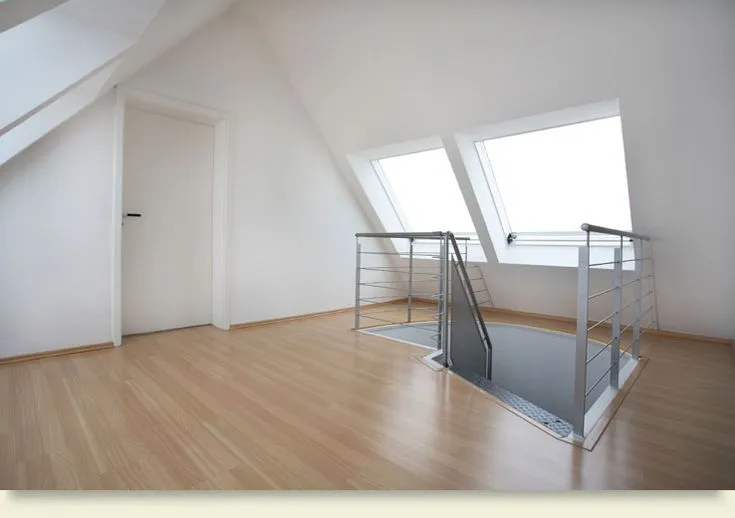
Loft Conversion Services in Poole
Poole Builders provides residential loft conversions in Poole, from the early structural stage through to the internal finish. We assess the available roof space, existing construction and proposed use before confirming the work required.
- Structural floor strengthening
- Steel beams installed relevant specification
- Roof alterations and dormer construction
- Rooflights and windows
- Staircase installation
- Insulation and internal partitions
- Plumbing and electrical installation
- Plastering and carpentry
A complete project can also include fitted storage or an en-suite bathroom where the available headroom, ventilation and drainage arrangements make this practical. Our loft conversion builders in Poole, Dorset can coordinate the connected trades, helping each stage follow the correct construction sequence.
Which Loft Conversion Type Suits Your Property?
Rooflight Loft Conversions: A rooflight conversion may suit a property that already has sufficient internal roof space. Roof windows introduce natural light while limiting major changes to the external roof shape.
Dormer Loft Conversions: A dormer loft conversion in Poole can increase standing height and usable floor area by extending part of the roof. Dormers are commonly considered where the existing roof slopes restrict practical room space.
Bespoke Attic Conversions: Some properties need a more individual solution because of their roof structure, internal layout or intended use. Bespoke attic conversions may involve structural alterations, carefully positioned stairs, storage within eaves and a tailored lighting or bathroom layout.
House Extension Services in Poole
Our house extensions in Poole are planned around the existing home and the way you want to use the additional space. The building work can be coordinated from site preparation through to the completed interior.
- Site clearance and excavation
- Foundations and drainage
- External walls and roof construction
- Structural openings into the existing property
- Windows, rooflights and external doors
- Plumbing, heating and electrical work
- Plastering and internal carpentry
- Kitchen or bathroom installation
Extension Options for Poole Homes
Rear Extensions: A rear extension can create a larger kitchen, dining room or shared family area where the garden and property layout allow.
Side-Return Extensions: Some homes have narrow unused space beside the existing building. A side-return extension may help widen a kitchen or improve the ground-floor layout.
Wraparound Extensions: A wraparound extension combines rear and side space to create a larger addition. Suitability depends on the property, boundaries, design and relevant approval requirements.
Structural Work and Trade Coordination
Loft conversions and extensions involve several construction stages that need to work together. Poole Builders can coordinate groundworks, foundations, steelwork, roof alterations, floor strengthening, carpentry, plumbing, electrics and internal finishing. Where an architect or structural engineer has prepared drawings and specifications, construction is carried out using the relevant approved information. This joined-up approach helps reduce conflicts between trades. Plumbing routes, electrical positions, structural elements and internal layouts can be reviewed before walls, floors and ceilings are closed.
Planning and Building Requirements
Planning permission and technical construction requirements should be considered before building work begins. Some projects may be possible under permitted development, while others may require a formal application because of the property, proposed size, roof alterations or local restrictions. The position can differ between a loft conversion and a house extension. We can review the available project information, work with your appointed architect or engineer and ensure the construction team follows the relevant drawings and specifications. Homeowners should confirm which permissions and approvals apply to their individual property rather than relying on a general assumption.
How Our Project Process Works
- Property Assessment: We review the roof or proposed extension area, access, existing construction and the type of space you want to create.
- Scope and Quotation: The proposed building work, trade requirements and finishing level are discussed before a written quotation is prepared.
- Construction and Coordination: Our team coordinates the agreed structural work and connected trades through the main stages of the project.
- Final Review and Handover: The completed work is checked and any final details are reviewed before the new space is handed over.
What Affects Your Project Quote?
- Type and size of the project
- Existing roof or building structure
- Structural steelwork and alterations
- Groundworks, foundations and drainage
- Scaffolding and site access
- Windows, doors and roof coverings
- Plumbing and electrical requirements
- Kitchen, bathroom or fitted storage
We confirm the project scope before work begins so you can understand what the quotation covers. Any potential exclusions or separate professional services should also be identified during the planning stage.
Why Choose Poole Builders?
- Residential Building Experience: Work planned around homes, families and occupied properties.
- One Coordinated Team: Structural construction and internal trades managed together.
- Clear Scope: Proposed work and responsibilities discussed before construction begins.
- Property-Specific Planning: Every roof, plot and existing structure is assessed individually.
- Local Service: Suitable loft conversions and extensions undertaken across Poole.
Arrange a Loft or Extension Assessment
Planning a loft conversion, dormer or house extension in Poole? Contact Poole Builders to arrange a property assessment, discuss the space you want to create and receive a quotation based on the requirements of your home.
Get Your Free Quote
Send us your details and we’ll provide a quick, no-obligation quote.
Our Building Services
How it Work
How We Turn Your Loft into a Finished Room in Poole
Home Visit and Survey
We visit your home in Poole, measure the loft space or assess the extension area, check the roof structure or existing walls, and tell you honestly what conversion type suits your home. This visit costs nothing.
Design and Planning
We confirm the conversion or extension design, handle the BCP Council permitted development check or planning application if needed, and give you a clear timeline before any work begins on your home.
Structural and Build Works
Our team carries out all structural work including steelwork, roof alterations, and frame build, then moves through insulation, boarding, staircase installation, and first fix trades in a managed and coordinated sequence.
Finishing and Handover
We complete all second fix and finishing work, carry out a building regulations inspection with BCP Council, and hand over a fully finished room with all relevant certificates and documentation included.
Common Question
Got Questions? We've Got Answers!
A Velux conversion usually takes between five and eight weeks from start to a fully finished room. A dormer conversion typically takes eight to twelve weeks, and a single-storey extension usually takes between ten and sixteen weeks depending on the size and specification. We give you a realistic timeline before the work begins and update you throughout.
Many loft conversions and single-storey rear extensions fall within permitted development rights, meaning planning permission from BCP Council is not required. However, there are size limits and conditions that apply, and properties in conservation areas or those that have already used their permitted development allowance may need a formal application. We check your permitted development status during the site visit and handle any applications needed.
Most of the structural work is carried out from scaffold outside the roof, which means the rest of your home remains usable throughout. The noisiest phases are the roof opening and steel installation, typically lasting a few days. The internal second fix and finishing phases are much less disruptive and most homeowners find the process more manageable than they expected.
We visit your home in Poole, measure the loft or assess the extension area, check the structure, and tell you honestly what suits your home and your situation. A written quote follows within a few days. There is no pressure and no charge for the visit.
It can, and we always factor this in. Older properties with original timber cut roofs are well suited to conversion but may have lower ridge heights that limit the headroom achievable. Homes built in the 1970s and 1980s across Canford Heath and Broadstone often have trussed roofs that need opening up before conversion work can begin. We assess this during the site visit.
Most homes can be converted but the approach depends on the roof type. Cut roofs found on many Edwardian and pre-1970s homes in Parkstone and Southbourne are the most straightforward. Trussed roofs on 1970s and 1980s homes require structural alterations first. We check the roof during the site visit and tell you clearly which conversion type is achievable on your specific home.