
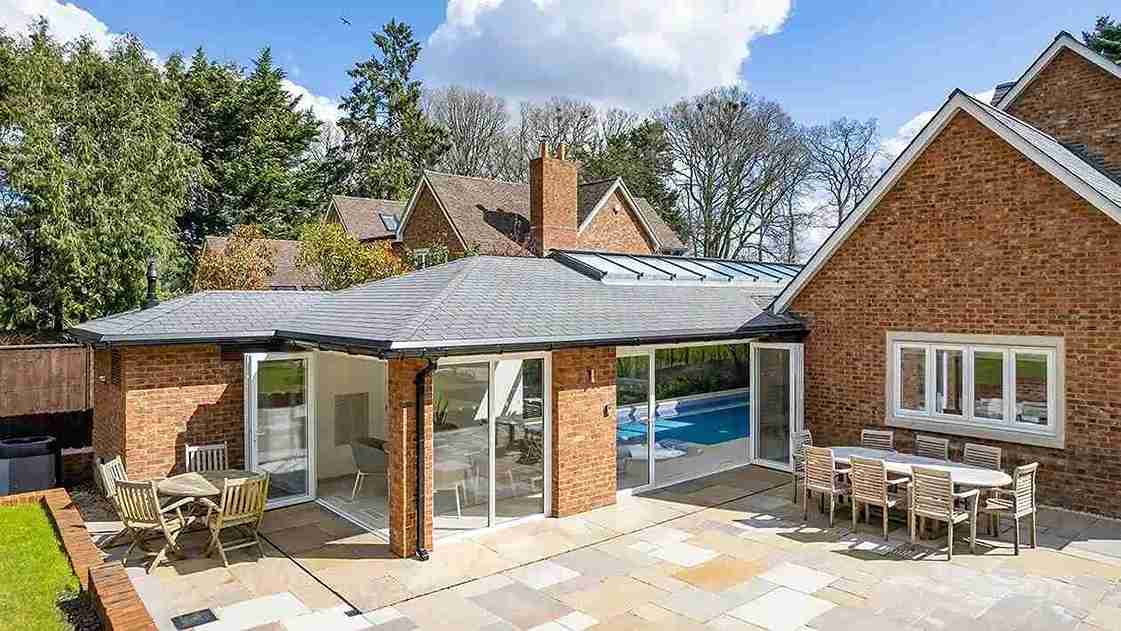
You’ve outgrown your home, but you love where you live. The school’s nearby, the neighbours are decent, and the thought of moving — with all the stamp duty and packing boxes — fills you with dread. So you start thinking about the obvious answer: an extension. It’s one of the smartest moves a homeowner can make. A well-built house extension in Poole adds space and value, often for far less than the cost of moving. But it’s also where small early mistakes turn into big, expensive problems. After a decade extending homes across Poole, here’s what you really need to know first.
Start With What You Actually Need
Before you think about builders, budgets, or planning, ask yourself one simple question: what is this extension for? It sounds obvious, but it’s the step most people rush. A bigger kitchen-diner for family life is a very different project from a downstairs bedroom for an elderly parent or a home office for remote work. The purpose shapes everything — the size, the layout, the light, the budget, and even whether you need planning permission at all. Spend time living with the idea before you commit. Stand in the space. Picture your morning routine. The clearer you are now, the less expensive changes you’ll make later.
Understand the Types of Extension
Extension covers a lot of ground, and the right choice depends on your home, your garden and your goals.
The most common options for a house extension in Poole include:
- Single-storey rear extension: The classic choice for opening up a kitchen or living space
- Double-storey extension: Adds space upstairs and down, often the best value per square metre
- Side return extension: A perfect fit for narrow Victorian and Edwardian terraces
- Wrap-around extension: Combines rear and side for a dramatic transformation
Not every home suits every type. A builder who knows Poole properties will steer you toward the option that genuinely works for your house — not just the biggest or most expensive one.
Do You Need Planning Permission?
Some extensions fall under permitted development rights, meaning you won’t need full planning permission — but the rules are stricter than most homeowners assume, and they’re tighter still in certain parts of Poole. If your home sits in a conservation area like Poole Old Town, or near the coast, those permitted development rights are often reduced or removed entirely.
Even when you don’t need planning permission, you’ll still need building regulations approval — a completely separate process that ensures the work is structurally sound, properly insulated, and safe. A quick check with BCP Council (or a builder who deals with them regularly) at the very start can save you months of delay and the nightmare of unpicking unauthorised work later.
Get Realistic About Costs
House extension costs in Poole vary widely depending on size, specification, and the condition of your existing property — but as a rough guide, you should budget from around £1,800 to £3,000+ per square metre for a quality build. That figure needs to cover far more than just the building work:
- Architectural drawings and structural engineer fees
- Planning and building regulations charges
- Groundworks and foundations
- Materials and labour
- A contingency budget of 10–15%
That contingency is the line people love to skip — and it’s the one that saves the project when the ground turns out to need deeper foundations, which, on Poole’s clay-bearing soil in Broadstone and Canford Heath, it sometimes does. A well-planned extension typically adds more value to your home than it costs to build, especially in a strong property market like Poole’s.
Why Ground Conditions Matter in Poole
Poole’s ground isn’t uniform. The sandy soil near Poole Harbour behaves very differently from the clay-heavy ground inland in Canford Heath and Broadstone — and clay shrinks in summer and swells in winter, which can move foundations that weren’t properly specified for it. A proper site assessment before work begins tells your builder exactly what foundations your extension needs. Skip it, and you risk the most expensive problem in construction: structural movement that only appears months or years after the build is “finished.”
How Long Will It Take?
Most single-storey house extensions in Poole take around 8 to 12 weeks of actual construction, with double-storey or more complex builds taking longer. But that’s just the build itself.
Factor in the full timeline:
- Design and drawings: 2–4 weeks
- Planning permission (if needed): 8 weeks or more
- Building regulations approval: 4–8 weeks
- The build: 8–16 weeks
Realistically, from first idea to finished room, a house extension in Poole is often a four-to-six-month journey. Anyone promising it’ll all be done in a few weeks isn’t being straight with you.
Choosing the Right Builder
Your choice of builder will affect everything — the quality, the cost, the timeline, and how stressful the whole experience feels.
Before you commit, make sure your builder offers:
- A proper site visit and assessment before quoting
- A written, itemised quote with no hidden extras
- Public liability insurance and relevant accreditations
- References from recent local clients you can actually contact
- A dedicated point of contact throughout the build
And ask the one question that reveals the most: What could go wrong with this project? A good builder will give you an honest answer. An evasive one tells you everything you need to know.
Preparing for the Disruption
Let’s be honest — building an extension is disruptive. There’s no way around it. For a few weeks, you’ll have trades coming and going, noise, dust, and possibly no kitchen or back door. Planning for this in advance makes it far easier to bear. Set up a temporary kitchen space, agree working hours with your builder, talk to your neighbours before work starts, and keep communication open throughout. A good builder keeps the site tidy, manages the trades, and keeps disruption to a minimum — but knowing what to expect means no nasty surprises.
How Builders in Poole Make It Simple
At Builders in Poole, house extensions are the core of what we do. We’ve extended homes right across Poole and its neighbourhoods — Canford Heath, Parkstone, Hamworthy, Broadstone, Sandbanks and Poole Old Town — and we manage every project directly, from the first site visit to the final walk-around.
That means a proper assessment of your ground conditions, an honest quote with no hidden extras, BCP Council planning and building regs handled for you, and a single point of contact who actually answers the phone. We don’t oversell, and we don’t underdeliver — which is why so much of our work comes from neighbours who’ve seen our finished projects nearby.
Ready to Start Your House Extension in Poole?
A house extension is one of the best investments you can make in your home — when it’s planned properly and built by people who know the local ground, the council, and the craft. If you’re thinking about extending your home in Poole and want honest answers about costs, timelines, and what’s actually possible, we’d love to help. Get in touch with Builders in Poole today for a free, no-obligation site visit and a straight-talking conversation about your project.
Frequently Asked Questions (FAQs)
How long does a house extension take?
A single-storey extension usually takes 8–12 weeks to build. With design, planning, and approvals added, the full journey from idea to finished room is often four to six months.
How long does planning permission take in Poole?
A householder planning application has a standard 8-week determination period from the date BCP Council validates it. Complex or contested applications can take longer.
Does a house extension add value to my home?
Usually, yes. A well-built extension often adds more value than it costs, especially in a strong market like Poole’s. Kitchen-diners and extra bedrooms tend to deliver the best returns.