
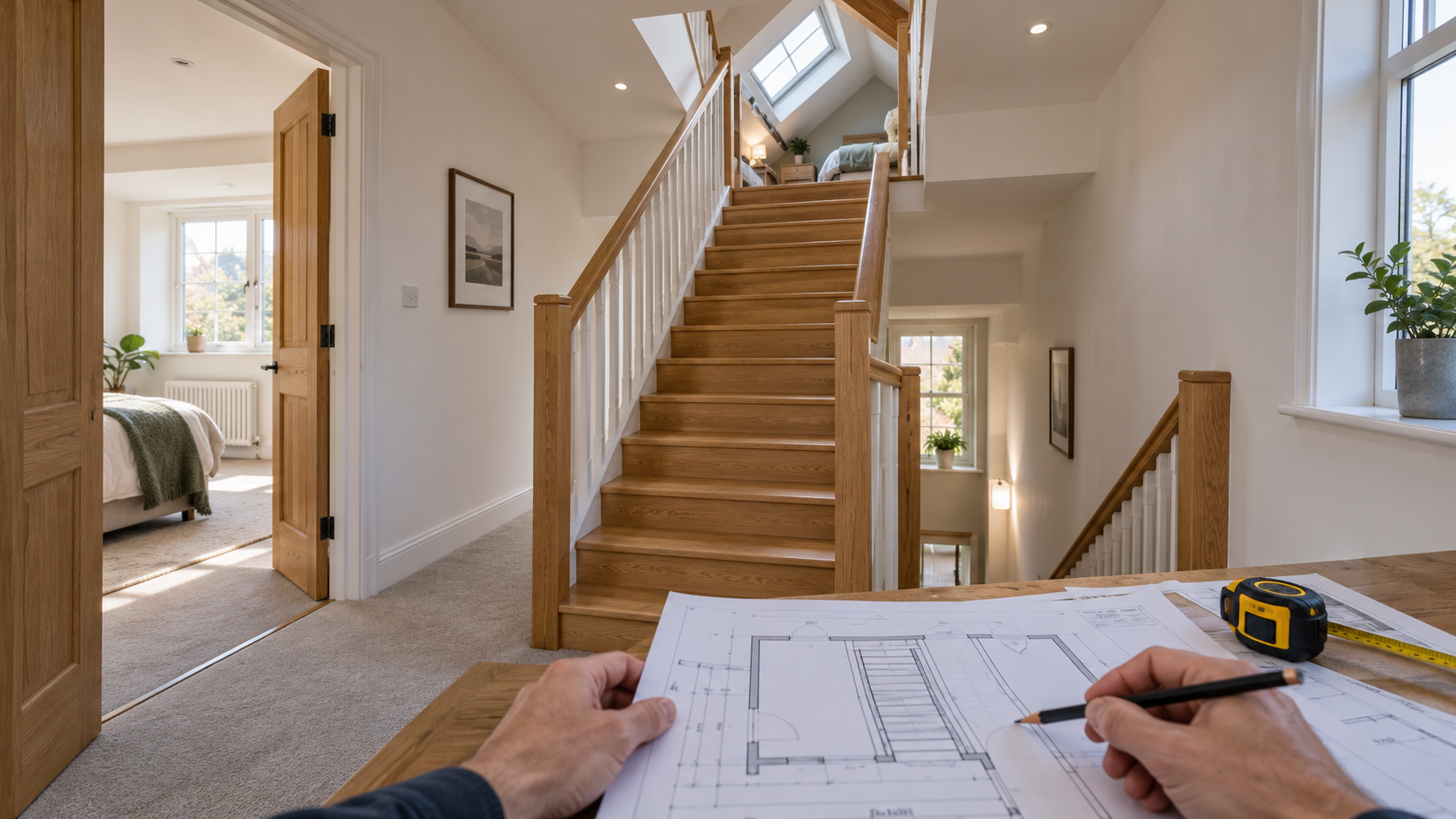




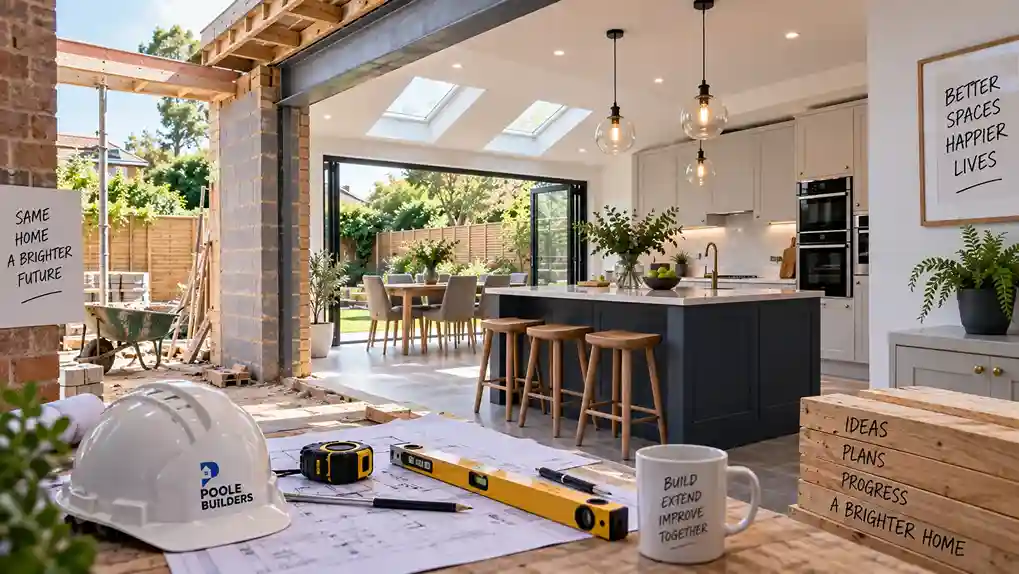
Yes, many homeowners can continue living in their property while a house extension is being built, but the experience depends heavily on the size of the project, where the extension is located and how it connects to the existing house. Construction noise, dust, restricted access and temporary changes to normal routines are all things worth considering before work starts.
For homeowners considering a house extension in Poole, staying at home can be practical when the construction area can be separated from the main living space. However, projects involving the kitchen, bathroom, main entrance or several internal rooms can create more disruption. Understanding what is likely to happen at each stage makes it easier to decide whether remaining at home is suitable.
What Makes Living at Home During an Extension Possible?
The biggest factor is how much of the existing property is affected by the building work. If the extension is being constructed at the rear of the property and the main living areas remain accessible, you may be able to continue using much of the house as normal. A project can become more difficult when structural work involves an existing wall, kitchen or another frequently used part of the home.
The layout of the property also matters. There needs to be a safe route between the occupied areas and the parts of the house being worked on. Materials, tools and construction equipment should not interfere unnecessarily with everyday access. Before construction begins, it is worth discussing the proposed working areas and site access with the builder. This can help establish which parts of the house are likely to remain usable and where temporary restrictions may occur.
How Disruptive Is a House Extension?
Any major building project will cause some level of disruption. The important question is whether the disruption can be managed while the property remains occupied. Construction noise is likely to be noticeable during activities such as excavation, drilling, cutting and structural work. There may also be dust and debris, particularly during demolition or internal alterations.
Material deliveries can temporarily affect access to the property, while waste removal may require space for construction materials or skips. The level of disruption usually changes as the project progresses. Groundworks may affect outdoor areas initially, while structural work can create more noise. Internal finishing stages may then involve different types of activity. Understanding these changes can help homeowners prepare their daily routines around the construction schedule.
What Happens During the Groundworks?
Groundworks are usually among the first visible stages of an extension project. Excavation, foundation preparation and other site work can make parts of the garden or external areas temporarily unavailable. There may also be construction equipment and building materials around the property. If the main entrance remains unaffected, access to the house may continue normally.
However, homeowners should know where workers will enter and leave the site and where materials will be delivered. Site safety is particularly important during this stage. Children and pets should be kept away from active working areas, excavations, and stored materials. A clearly defined working zone can help separate everyday household activity from construction work.
What About Construction Noise?
Noise is one of the most noticeable parts of living through a house extension. Some activities are relatively quiet, while others can create considerable noise for short periods. Structural alterations, cutting materials, drilling and demolition can be particularly noticeable inside the property. Homeowners who work from home may need to consider how this affects meetings or concentrated work.
Families with young children may also need to adjust routines around louder stages of construction. A construction schedule can help you anticipate when the busiest periods are likely to occur. It may not be possible to eliminate construction noise, but knowing when it is expected can make it easier to plan around.
How Can You Manage Dust and Debris?
Dust and debris are another consideration when living in an occupied home. The amount depends on the type of work taking place. External construction may have less effect on internal rooms, while structural openings and internal alterations can bring construction activity directly into the house.
Protective coverings can be used to help protect suitable areas, while keeping the construction zone clearly separated from occupied rooms can help limit the spread of dust. Homeowners should also discuss how waste will be removed from the property and where construction materials will be stored. Good site organisation can make a noticeable difference to how manageable the project feels.
Can You Use Your Kitchen During an Extension?
This depends on whether the existing kitchen forms part of the project. If the extension is creating a larger kitchen or involves removing the existing kitchen, there may be a period when normal cooking facilities are unavailable. In that situation, a temporary kitchen may be useful. A basic arrangement elsewhere in the property could provide access to essential appliances and allow homeowners to prepare simple meals while the main work continues.
If the existing kitchen remains separate from the construction area, it may remain usable for much of the project. The important thing is to establish this before work starts rather than assuming the kitchen will remain available throughout.
What If the Bathroom Is Affected?
A similar issue can arise if construction work affects the only bathroom in the property. If access to the bathroom needs to be restricted, the household needs to understand when this is expected to happen and for how long. Where another bathroom is available, the disruption may be easier to manage. If there is only one bathroom, the construction programme needs particularly careful consideration. Discussing access arrangements with the builder before the relevant stage begins gives homeowners more time to make suitable preparations.
How Can You Protect the Existing Parts of Your Home?
When only part of the property is being extended, it makes sense to protect the areas that remain occupied. This may involve defining a clear route through the house, protecting floors and surfaces where appropriate and keeping tools and materials within the designated working areas. Doors or temporary separation can also help distinguish the construction zone from the rest of the property where the layout allows. The objective is not to make the house completely unaffected by construction. That is rarely realistic during major building work. Instead, sensible property protection can help reduce unnecessary impact on rooms that are not being renovated.
What About Children and Pets?
Children and pets require additional consideration during an extension project. Construction areas can contain tools, equipment, building materials, temporary openings and other hazards that are not normally present around the home. A clear separation between the working area and occupied parts of the property is therefore important.
Pets may also react to unfamiliar noises, workers and changes around the home. Keeping them away from active construction areas can help prevent accidents and reduce stress. Families should establish simple household rules before work starts so everyone understands which areas are accessible and which are off limits.
How Does the Construction Schedule Affect Daily Life?
The construction schedule can have a major effect on how easy it is to remain at home. The project may move through several stages, including groundworks, structural construction, roofing, installation of windows and doors, internal work and finishing. Each stage can affect the property differently. For example, groundworks in Poole may mainly affect the garden and external access, while structural alterations can temporarily affect rooms inside the house. Later stages may involve electricians, plasterers, carpenters and other trades working inside. Knowing what is planned next makes it easier to prepare for changes to access and daily routines.
Can You Work From Home During an Extension?
Working from home can be possible, but it depends on the location and intensity of the construction activity. If your office is far from the working area, the impact may be manageable. However, construction noise can make video meetings and focused work difficult during certain stages. You may also experience interruptions from material deliveries, workers moving through the property or temporary access restrictions. If working from home is important, discuss this with the builder before construction begins. Understanding the expected schedule can help you identify particularly noisy stages and make alternative arrangements when necessary.
When Might Moving Out Be More Practical?
Remaining at home is not suitable for every project. Moving out may be worth considering when the extension involves extensive structural alterations throughout the house, the only kitchen and bathroom are unavailable for a significant period, or safe separation between the living area and construction zone is difficult. The decision depends on the property, the scope of work and the household. Some families may prefer to remain at home despite the inconvenience, while others may find that temporary accommodation makes the construction period easier. There is no single answer that applies to every extension.
How Can You Prepare Before Work Starts?
Preparation can make living through an extension considerably easier. Start by deciding which parts of the house need to remain accessible and which rooms can be temporarily used for storage. Remove valuable or fragile items from areas close to the construction zone and establish where household essentials will be kept.
Think about cooking, washing, working from home, parking, deliveries and access to outdoor areas. It is also useful to understand the expected construction sequence. Knowing when the project will move from groundworks to structural work and then into internal finishing gives you a clearer idea of how daily life may change. Good preparation does not remove the disruption, but it can make it more manageable.
What Should You Discuss With Your Builder?
Before work begins, discuss the practical side of living in the property as well as the construction itself. Ask about site access, working hours, material deliveries, waste removal and which rooms may be affected. You should also understand how the construction area will be separated from the occupied parts of the house.
If the kitchen or bathroom is affected, establish when those facilities are expected to become unavailable. Communication should continue throughout the project. If a particular construction stage is likely to affect your normal routine, having advance notice can help you make alternative arrangements.
Is Living at Home During an Extension Worth It?
For some homeowners, staying at home can be a practical way to manage the project. It avoids the cost and inconvenience of temporary accommodation and allows the household to remain in familiar surroundings. However, there will still be disruption. The decision should be based on the actual project rather than assuming that every extension can be completed comfortably while the property is occupied. A relatively contained extension may be easier to manage, while a project involving major internal alterations can be considerably more demanding. The most useful approach is to discuss the construction programme and expected disruption before deciding.
Final Thoughts
Living at home during a house extension in Poole can be possible, but it requires preparation and a realistic understanding of what construction will involve. Noise, dust, restricted access, material deliveries and temporary changes to everyday facilities can all affect normal routines. The key is to establish how the extension will interact with the existing property before work begins.
Planning site access, protecting occupied rooms, considering temporary facilities and understanding the construction schedule can make the process easier to manage. If you are planning a house extension in Poole, Poole Builders can discuss the proposed work, construction sequence and practical considerations involved in carrying out building work while your home remains occupied.